
Our desires are not our own. They are borrowed, mirrored, shaped by others.
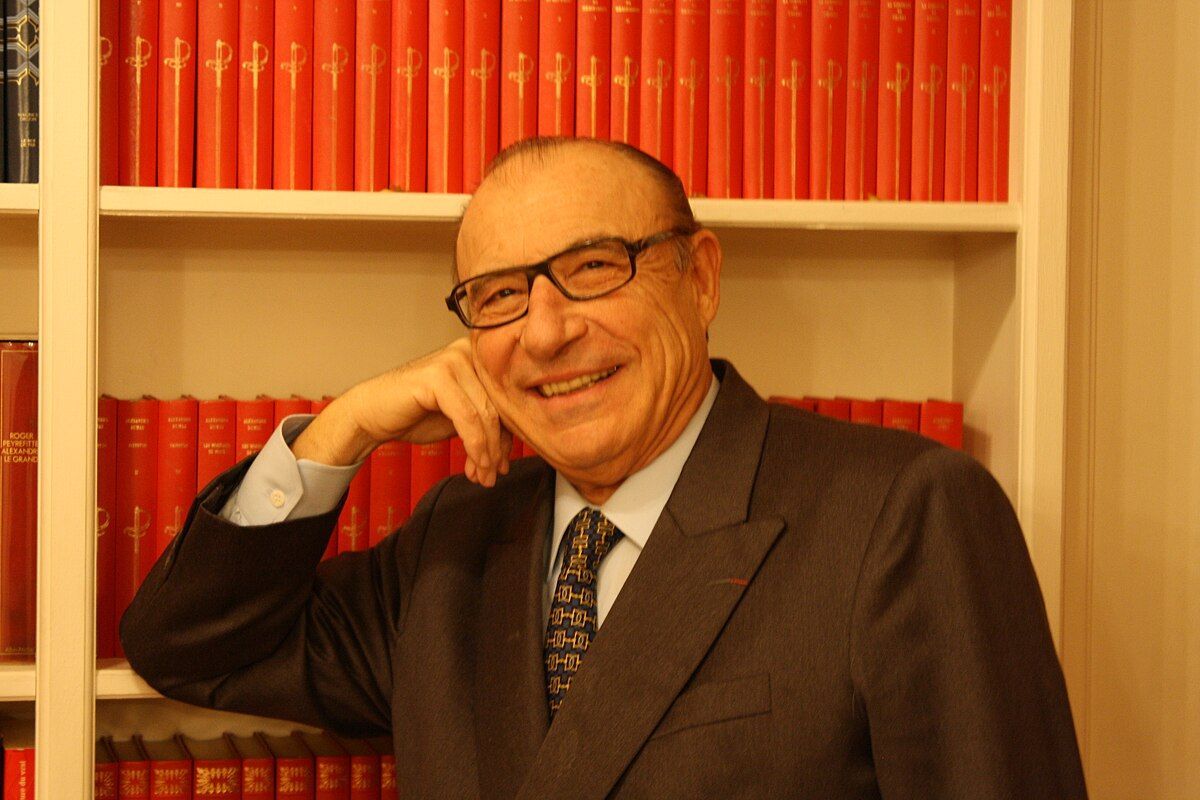
This is the radical thesis of Professor Jean-Michel Oughourlian, neuropsychiatrist, pioneer of mimetic theory, and member of Sorcova Health’s Scientific Advisory Board.
His career is exceptional: intern at Johns Hopkins, collaborator of René Girard at Stanford, senior lecturer at the Sorbonne, and head of psychiatry at the American Hospital of Paris for more than two decades.
What makes him unique, though, are ideas that challenge a century of psychology.
Four ideas
“The unconscious is the Other.” Our inner life is not sealed inside us. It is woven from our relationships.
The “third brain”. Beyond the rational and the emotional lies the mimetic brain, where desires are born through imitation and rivalry.
Interindividuality. We are never isolated beings, but the ongoing result of our interactions. What matters happens between people, not within them.
Memory as illusion. Memory does not reveal the truth. It builds narratives that hide from us that our desires come from others.
Why it matters for stress
These ideas change how we understand stress, workplace dynamics and mental health. Stress spreads between people. Rivalry, comparison and imitation are among its most ordinary sources, and no measure taken on one person alone tells the whole story.
At Sorcova, Professor Oughourlian’s work on relational mechanisms and mimetic contagion enriches our scientific approach to chronic stress. His most recent book, “Le travail qui guérit” (“Work that heals”), is close to our own conviction that work can protect health as well as damage it.
What do I learn from his journey? That real revolutions begin by questioning the obvious. That to understand a person, we must first understand their relationships. And that science moves forward when someone dares to look where nobody else is looking.
We are honoured to have Professor Oughourlian on Sorcova’s Scientific Advisory Board.
First published on LinkedIn in 2025, revised for this blog. First in a series of portraits of our Scientific Advisory Board.